Sisonke Together in Wellness: Building Solidarity Through Group Work
As part of my school social work internship at Nokuphila School, I had the privilege of facilitating Sisonke Together in Wellness, an eight-session group work programme with the school’s housekeeping staff. Rooted in the spirit of Sisonke—meaning “together”—the programme aimed to promote well-being, strengthen interpersonal relationships, and cultivate solidarity through participatory, strengths-based, and play-informed social work practice.
Across the eight sessions, participants took part in a variety of activities designed to encourage reflection, dialogue, creativity, and mutual support. Guided by participatory group work principles, the programme combined facilitated discussions with creative activities such as working with coloured clay and reflective drawing. It also incorporated play-based exercises, including hula hoop challenges, collaborative team games using mini floor poles, and other interactive activities.
These methods were intentionally chosen to create an inclusive and engaging environment in which participants could express themselves freely, strengthen teamwork, build trust, and learn from one another’s lived experiences. The activities offered different ways of participating and communicating, allowing group members to contribute according to their own strengths and comfort levels.
Rediscovering Play as a Source of Connection
One of the most memorable elements of the programme was the integration of play-informed approaches into adult group work. Although play is often associated primarily with children, this experience demonstrated how valuable it can also be for adults. Play created opportunities for joy, creativity, emotional expression, and authentic human connection.
Through the playful activities, participants laughed together, solved problems collectively, encouraged one another, and engaged in a relaxed and enjoyable environment. As relationships within the group developed, participants became increasingly open, engaged, and confident in sharing their thoughts, experiences, and perspectives.
Several participants reflected that the activities had “awakened their inner child,” allowing them to reconnect with a sense of freedom, curiosity, and enjoyment that they had not experienced for a long time. Many shared that they looked forward to each weekly session because it gave them an opportunity to laugh, learn, connect with one another, and leave feeling lighter than when they arrived.
This positive feedback was reflected in the group’s remarkable commitment to the programme. Participants attended consistently throughout all eight sessions. Their engagement demonstrated that when adults are offered safe, creative, and meaningful opportunities for participation, they are willing to invest not only in their own well-being but also in the well-being of the wider group.
Strengthening Relationships and Workplace Solidarity
As the programme progressed, it was inspiring to witness the development of the group. Participants became increasingly comfortable encouraging one another, recognising and celebrating individual strengths, and working collaboratively.
Through creativity, conversation, play, and shared experiences, the group developed greater trust and empathy and gained a deeper appreciation of the important role each person plays within the Nokuphila School community. These experiences illustrated that solidarity is rarely created through a single activity or moment. Rather, it develops through ongoing opportunities for participation, connection, shared reflection, and mutual recognition.
The programme also highlighted the potential of group work to contribute to stronger and more supportive workplace communities. Creating a dedicated space in which staff members could step outside their daily routines, engage differently with one another, and focus on their shared well-being helped strengthen relationships that can continue beyond the programme itself.
From Social Work Knowledge to Practice
For me, this experience reinforced the transformative potential of social work group interventions. It demonstrated how participatory, strengths-based, and play-informed approaches can empower individuals while simultaneously strengthening relationships and creating more supportive communities.
It also showed how evidence-informed social work approaches can be translated into meaningful everyday practice. Through relatively simple but carefully facilitated activities, it is possible to create spaces that promote inclusion, well-being, connection, and collective resilience.
As a member of the Solidarity Research Network, I found this experience particularly meaningful. It reaffirmed that solidarity is not only a concept that we investigate through research, but also a principle that can be intentionally cultivated through professional and community practice.
Sisonke Together in Wellness brought together research-informed practice and collaborative community engagement, demonstrating how social work knowledge can be transformed into concrete activities that enhance well-being, strengthen relationships, and contribute to more resilient communities.
Building Solidarity Together
I am deeply grateful to the housekeeping staff of Nokuphila School for their openness, commitment, and willingness to embark on this journey together. Their enthusiasm, honesty, creativity, and support for one another made the programme a particularly rewarding experience.
I hope that the accompanying photographs capture some of the creativity, collaboration, laughter, and spirit of solidarity that emerged throughout our eight-session journey.
The Sisonke Together in Wellness programme reminded me that solidarity is not only something we study, theorise, or discuss within research and professional practice. It is also something we intentionally build through relationships, shared experiences, participation, trust, and care.
As social workers, creating spaces in which people feel seen, heard, valued, and connected remains one of the most meaningful ways we can promote well-being and strengthen communities.
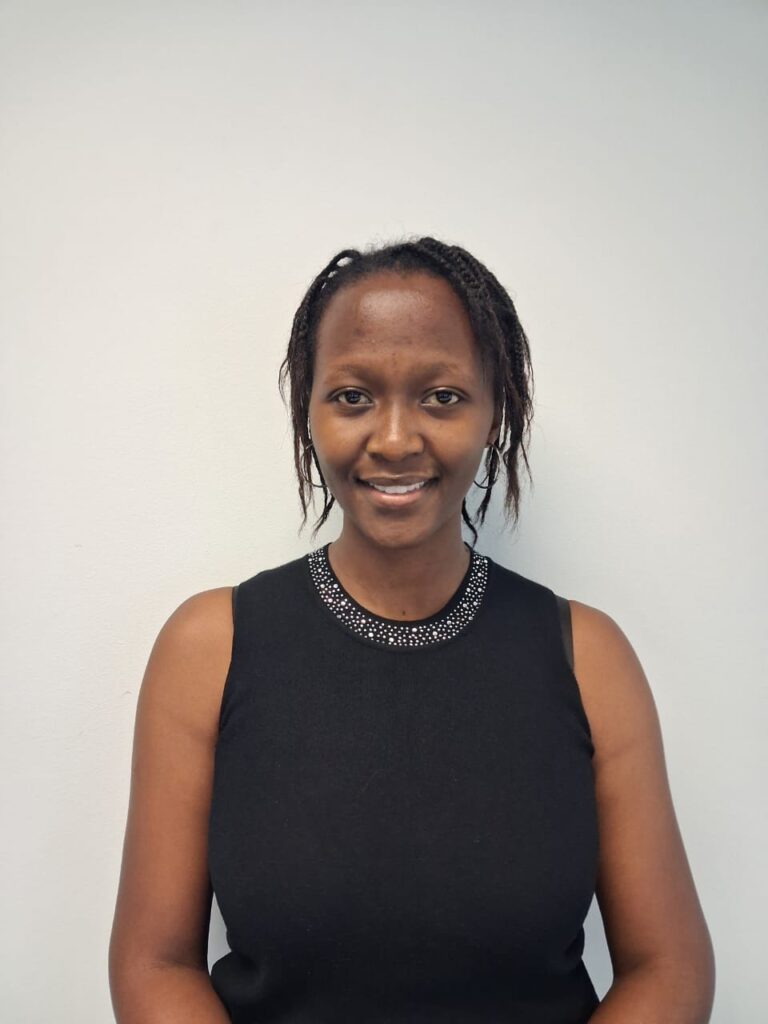
Sesihle Mathebula
sesihlemathebula@gmail.com
Comments
No comment posted about Sisonke Together in Wellness: Building Solidarity Through Group Work