Education and Hope in Times of War
Currently, the National University of Water and Environmental Engineering in Rivne, Ukraine, is conducting its annual admissions campaign, which will continue for approximately another month. Even at this stage, application statistics indicate an increase in the number of prospective students compared with previous years. This is an encouraging development for all of us who continue to provide education under the difficult conditions of war.
Our university is located approximately 300–500 kilometres from the active front line, which means that Rivne and the surrounding region are relatively safe compared with many other parts of Ukraine. Nevertheless, the realities of war remain part of everyday life. Drones and missiles regularly fly over our city, and air-raid alerts, uncertainty, and concern for personal safety continue to shape daily routines.
During the admissions process, we meet many young people and their parents. In our conversations, we see their hope that hostilities will come to an end and that their children will have the opportunity to study, develop professionally, and build peaceful lives in Ukraine. Families are deeply concerned about safety and security, and each of them experiences the fears and uncertainties associated with the war.
At the same time, their faith in Ukraine, its independence, and its future continues to move them forward. Education, creativity, communication, and participation in society remain important sources of strength and unity.
For several years, the war has forced millions of Ukrainian citizens to migrate either within the country or abroad. This has had a major impact on young people and on the Ukrainian education system. The overall results of national testing among school graduates in 2026 also indicate challenges in learning outcomes compared with previous years—an understandable consequence of years of disrupted schooling, displacement, insecurity, and war.
Yet our conversations with young people during July reveal something equally important: resilience, determination, and confidence. Despite the difficulties they face, many express a strong belief in themselves and in Ukraine. For us as teachers, researchers, and citizens, this is an important source of hope and motivation.
Together, we remain strong.
Developing a New Community Space for Young People and Residents
A second important development during this period is the establishment of new contacts and a preliminary agreement for cooperation with the Horodok Territorial Community in the Rivne region.
Together with representatives of the local administration, young people, and other interested stakeholders, we are developing the idea of a joint project to create a dedicated space for young people and local residents. At the beginning, this space could take the form of a summer camp or temporary meeting place. With the support of the local community and partner organisations, however, it could gradually develop into a permanent location for meetings, workshops, training activities, education, and community initiatives.
One of the aims is to provide young people with opportunities to develop practical knowledge and competencies relevant to life in their communities. Possible activities include education related to national resilience, civic and patriotic education, first-aid and medical training, and the practical implementation of democratic principles in local community life and governance.
These activities could be developed together with experts in the respective fields, local teachers, social workers, community representatives, and other professionals. The space should also encourage dialogue and exchange between different groups within the community.
Many residents of the community are directly or indirectly affected by military operations. This includes military personnel and veterans, wounded people and people with disabilities, families of those who have been killed, those who are missing or held in captivity, and relatives of people belonging to these different groups. Their experiences, knowledge, and needs can play an important role in shaping and implementing the project.
Solidarity, mutual support, and active participation can help strengthen understanding of one another’s experiences and needs. At the same time, the proposed space could provide young people with opportunities to meet, communicate, learn, and participate in community activities. Younger children could also be included in suitable educational and community events, helping to create connections across generations.
International cooperation would be especially valuable for the further development of this initiative. We would therefore welcome the involvement of foreign partners interested in supporting community development, youth engagement, education, resilience, and solidarity in Ukraine.
I look forward to keeping the SRN community informed about the further development and implementation of this project and hope that it may also create opportunities for future exchange and collaboration within our international network.
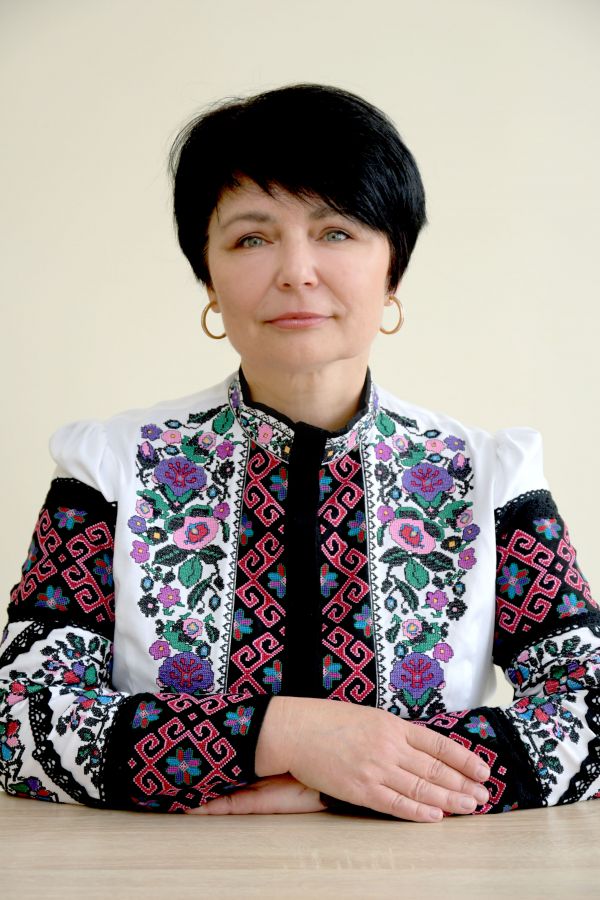
Lesia Tyhonchuk
l.kh.tyhonchuk@nuwm.edu.ua
Comments
No comment posted about Education and Hope in Times of War